NAD+
500 MG
Reported purityLot-specific laboratory result
99.50%
- Batch Identifier
- P1P-NAD5-001
- Test Date
- Sep 2026
- Laboratory
- Krause Analytical LLC
Lot-specific third-party laboratory records are published where available.
A dinucleotide compound, supplied in solid form. For laboratory research and development use only.
In Stock · Ready to ship
Lot P1P-NAD5-001 · Krause Analytical LLC
For laboratory research only. Not for human or veterinary use.
NAD+ is a dinucleotide compound. It is not a peptide. It is supplied in solid form.
NAD+ is used as a reference material in in vitro enzyme-assay and analytical research.
Lot-specific analytical documentation (COA) is published in the lab-test library when available. For research use only. Not for human or veterinary use.
For research use only. Not for human or veterinary use.
Detailed Storage GuidelinesThe Certificate of Analysis (COA) below belongs to NAD+ 500 MG, lot P1P-NAD5-001. Match the lot number on your vial to the record.
500 MG
Lot-specific third-party laboratory records are published where available.
Orders placed by 2 PM PST typically ship the same business day; later orders ship the next business day. U.S. fulfillment with tracking sent by email once your order is on its way.
Complimentary standard shipping on orders over $200.
Read the Shipping Policy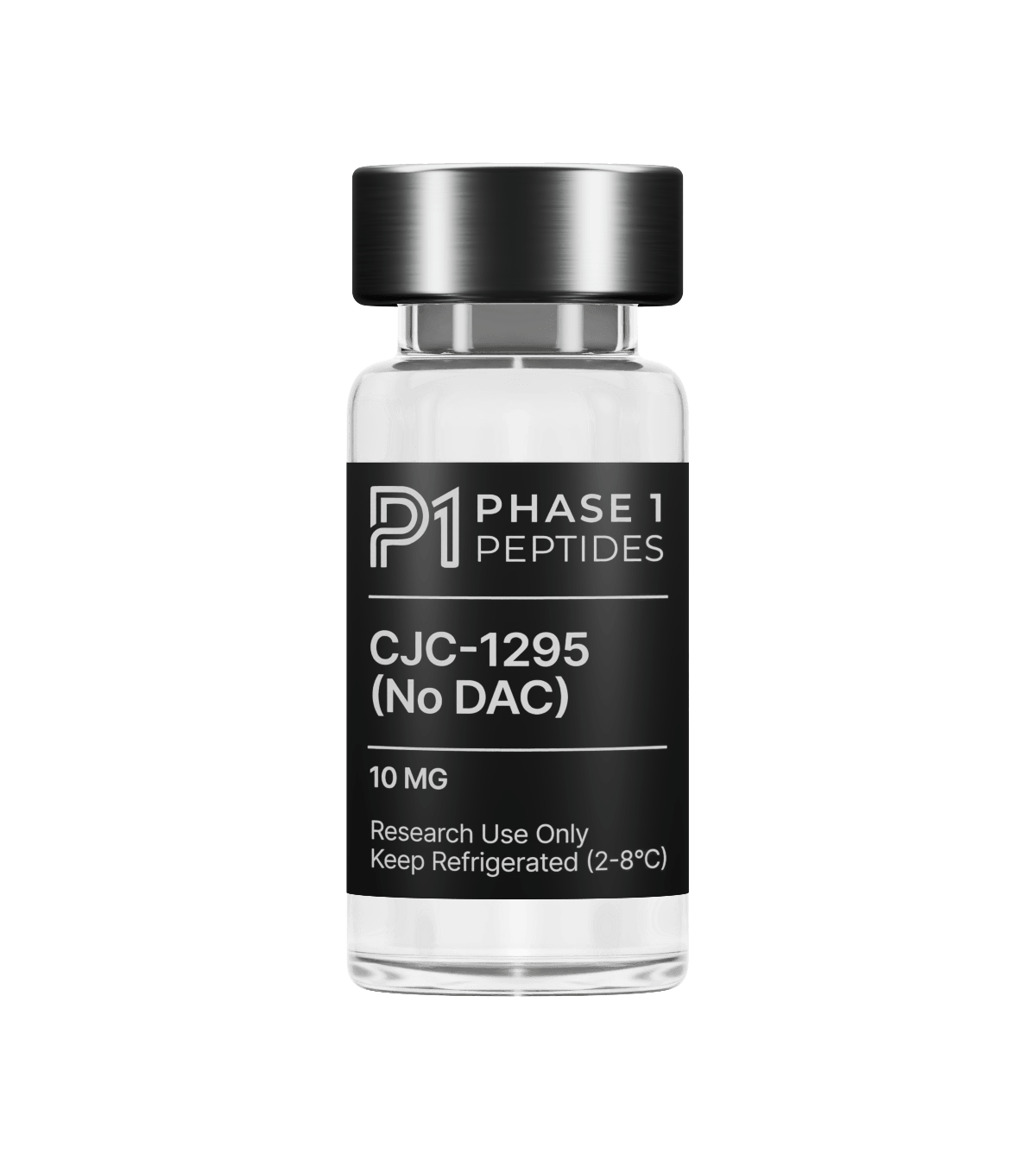 Research Compound
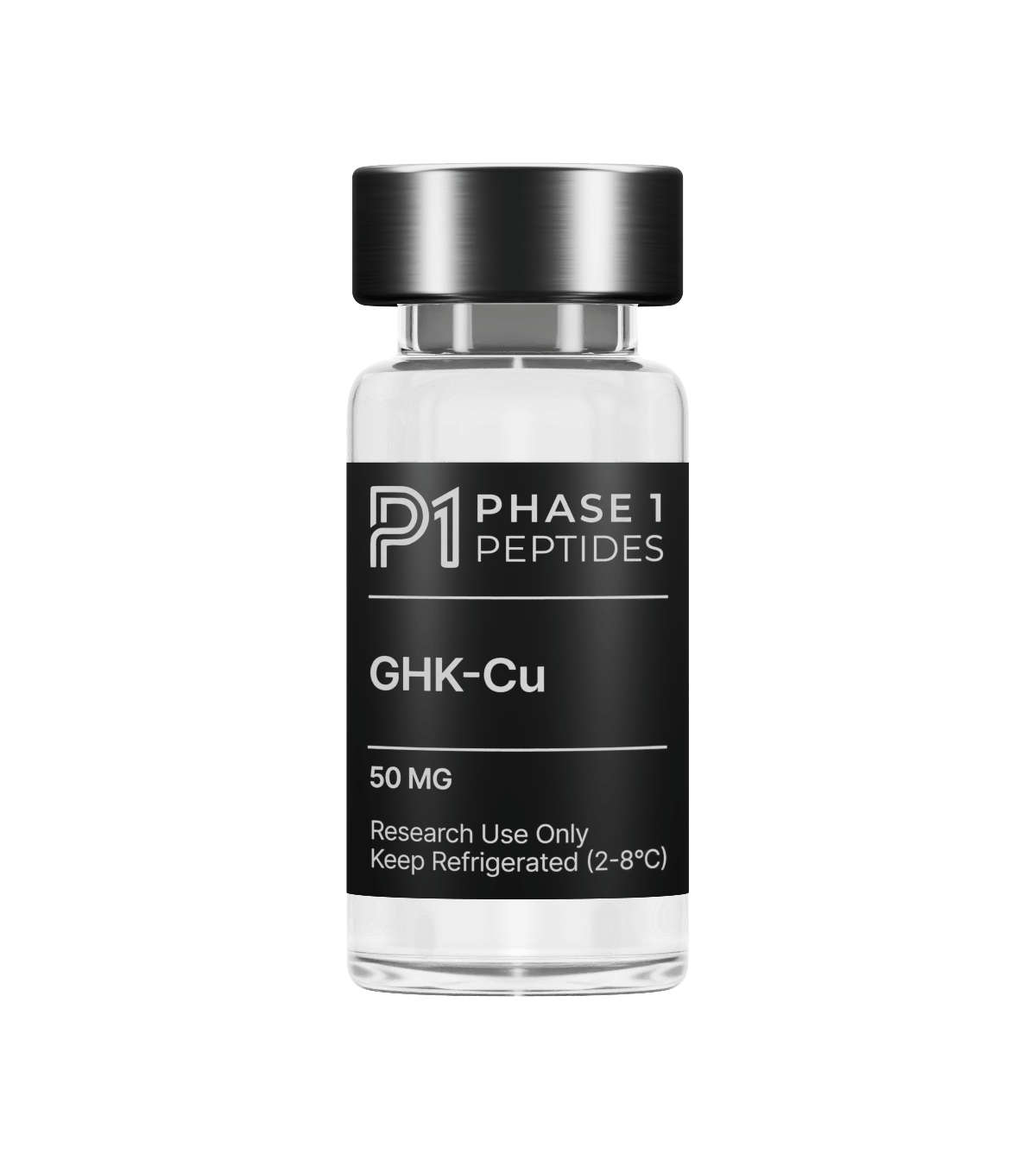 Research Compound
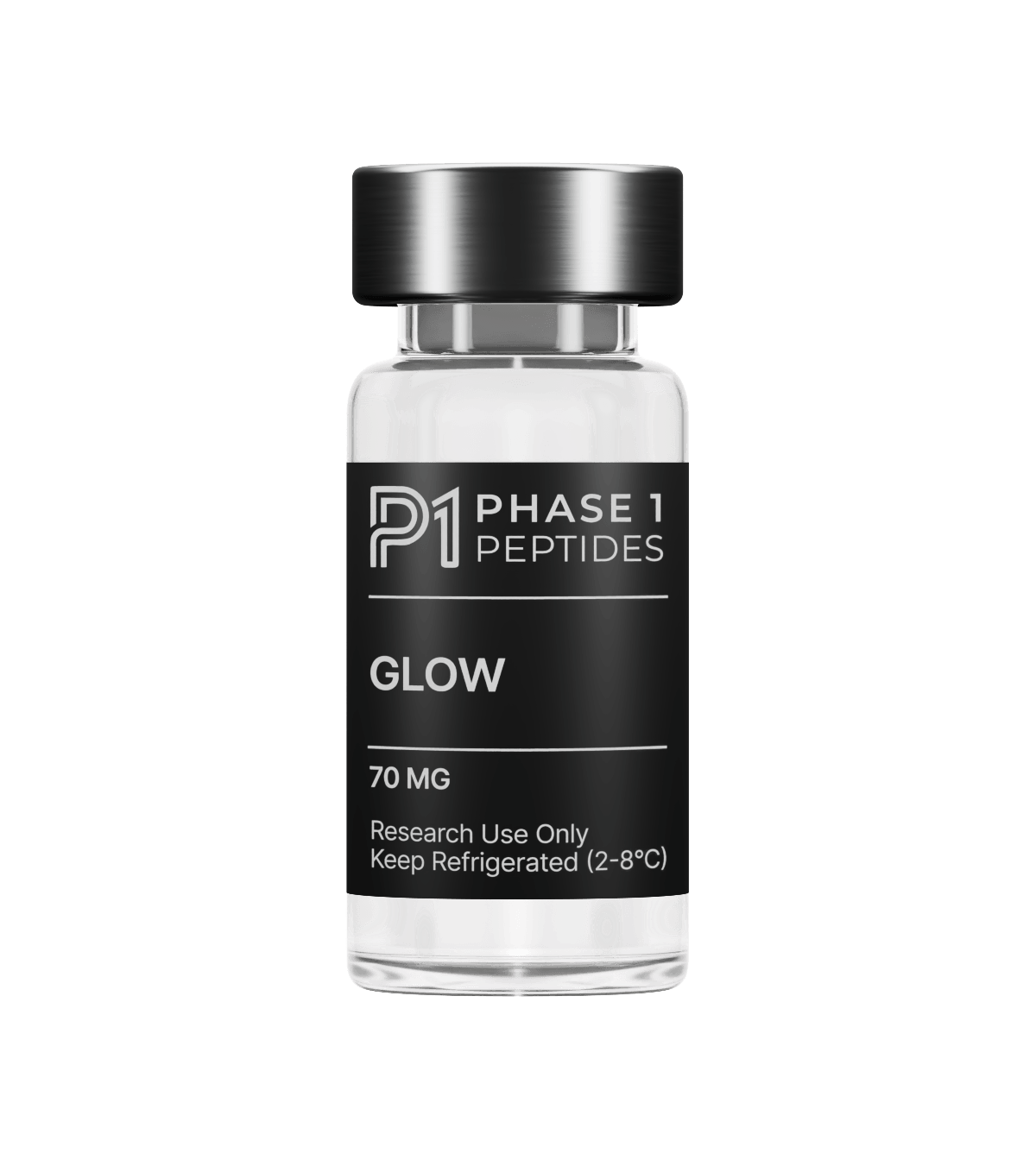 Research Compound
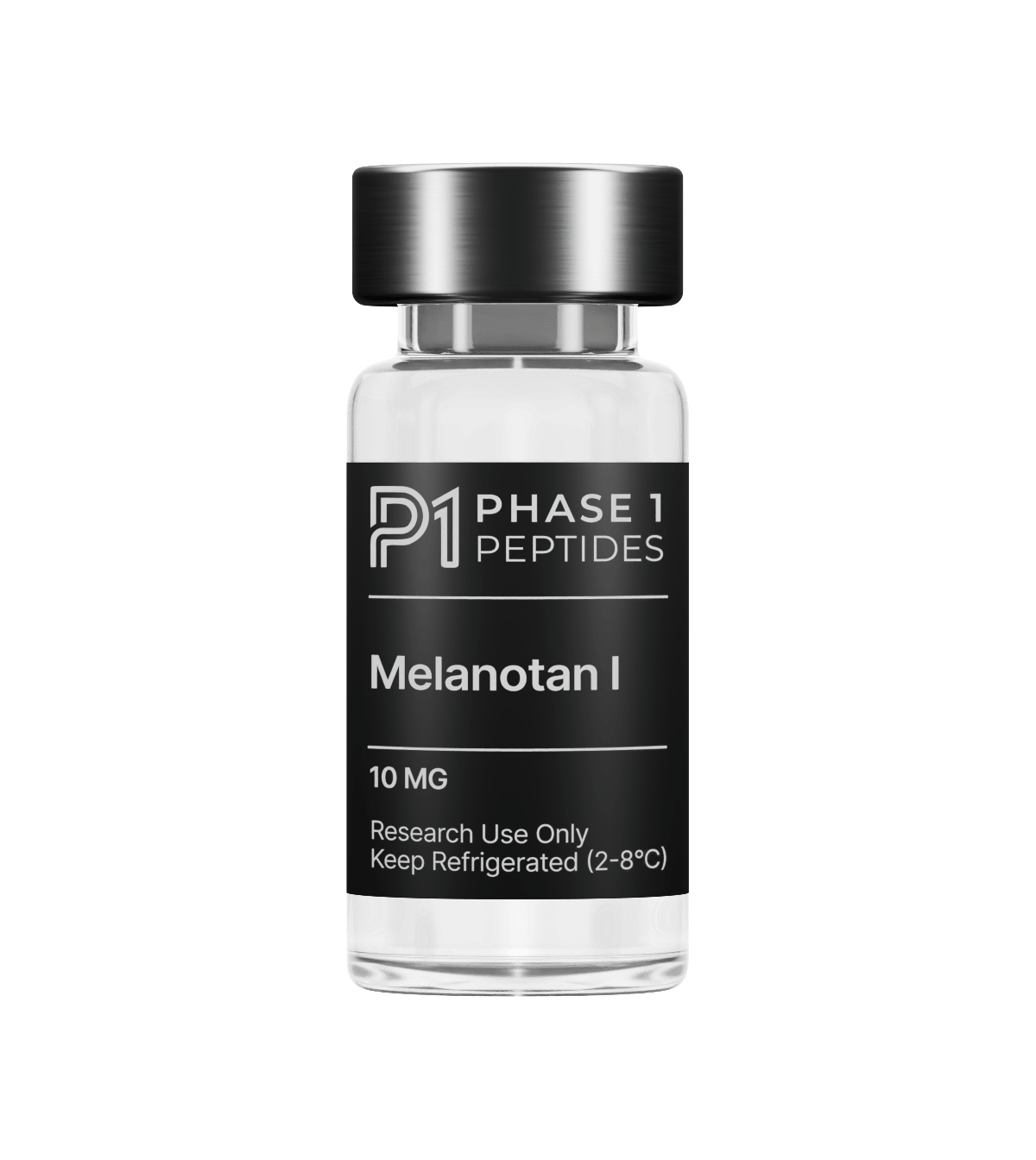 Research Compound